Skip to content
The maker’s hand

Doll Making & Craftsmanship

Behind every doll is a chain of skilled decisions — how to sculpt a face, mix a clay, fire a glaze, set an eye, tie a joint, tuck a hem. This is the craft of turning raw material into a small, believable person.

The eight stages of making a doll

Techniques vary enormously between a village woodcarver and an industrial porcelain works, but almost every doll passes through some version of these stages.

Step 01

Sculpting the master

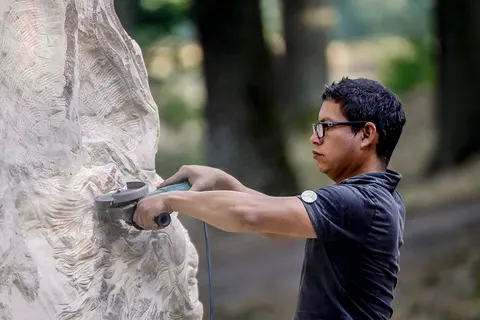
Every doll begins with an original — carved in wood, modelled in clay or wax, or sculpted in polymer clay over a foil armature. The sculptor works from drawn front and side views to keep proportions true. This master becomes the pattern for everything that follows.
Step 02

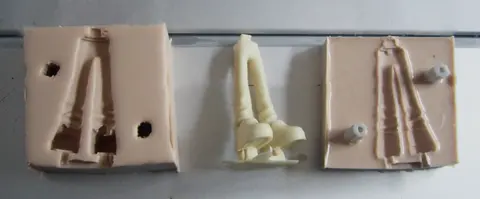
Making the mould

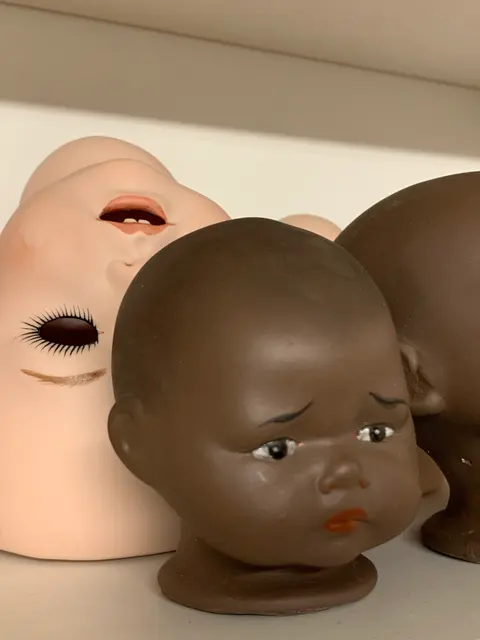
For dolls made in numbers, a plaster or silicone mould is taken from the master. Hakata clay dolls, bisque heads and modern resin BJDs all begin as a mould that can be filled again and again.

Step 03

Forming the body

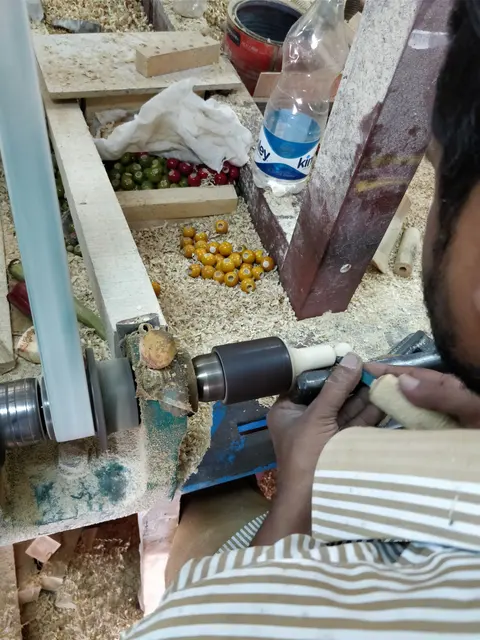
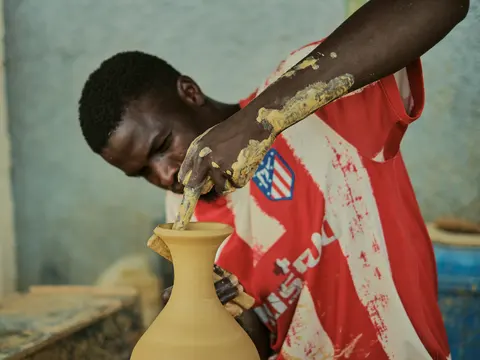
The material is shaped: wood is carved or turned on a lathe; clay and porcelain slip are cast in the mould; composition and resin are poured and set; cloth is cut and stitched. Limbs may be formed separately so they can move.

Step 04

Firing or curing

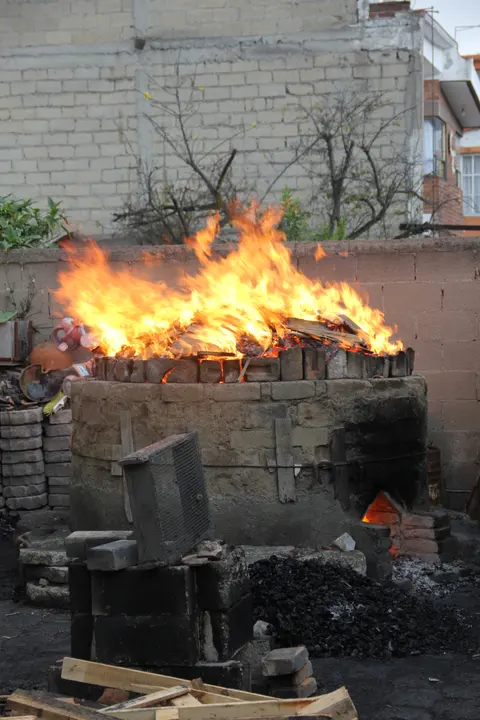
Ceramic dolls are fired in a kiln — bisque porcelain above 1,260°C — then painted and fired again for each layer of colour. Polymer clay is baked at low heat; resin and composition cure chemically; wax is cooled and finished by hand.

Step 05

The face

The face is where a doll comes alive. Features are painted by hand, often over a smooth white ground; glass or acrylic eyes may be set into the head; cheeks are blushed and lips tinted. Japanese dolls use gofun — a lustrous white made from ground oyster shell and glue.

Step 06

Hair & wigs

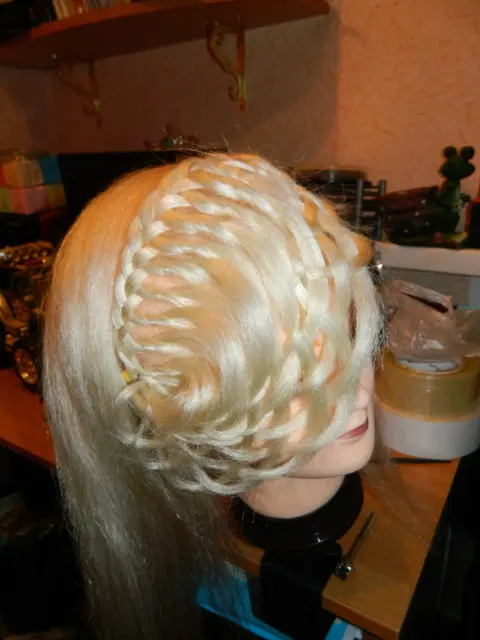
Hair is moulded and painted, rooted strand by strand into vinyl, or made into a wig of mohair, human hair or wool and glued to the crown. Wig-making is a craft in itself.

Step 07

Jointing & stringing

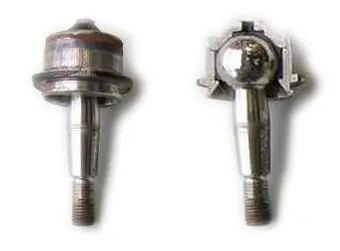
Movable dolls are assembled with joints: string through terracotta limbs in antiquity, ball-and-socket joints strung with elastic in bisque and modern BJDs, or simple swivel joints in play dolls.

Step 08

Dressing & finishing

Finally the doll is costumed. In the kimekomi method the cloth is tucked into grooves cut in the wooden body; fine antique dolls wear tailored period wardrobes; festival dolls are dressed in regional textiles, ribbons and jewellery.

Living traditions

Signature craft techniques around the world

A handful of the world’s great doll-making crafts, each with its own materials and secrets.

🇮🇳

Channapatna (India)

The “toy town” of Karnataka turns soft ivory-wood on a lathe and finishes it with natural lacquer and vegetable dyes — a craft protected as a Geographical Indication.

🇮🇳

Kondapalli (India)

Carvers in Andhra Pradesh shape the soft, lightweight Tella Poniki wood into figures of gods, villagers and animals, joined and painted for the Navaratri golu.

🇮🇳

Thanjavur (India)

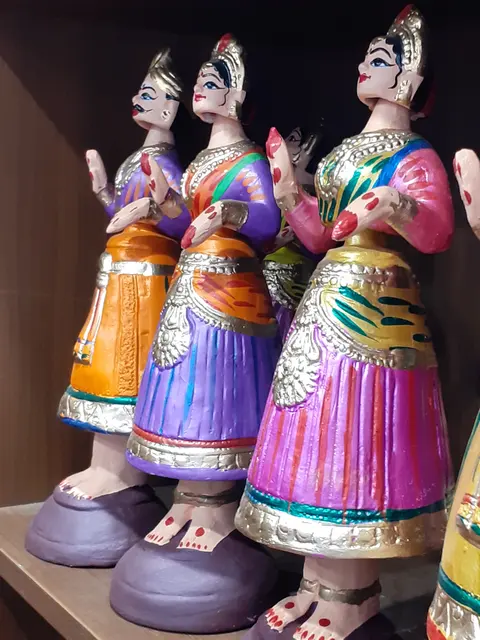
The famous thalaiyatti (“head-shaking”) bobble-head dolls are built in terracotta, clay, plaster or papier-mâché and balanced so the head and torso rock gently.

🇯🇵

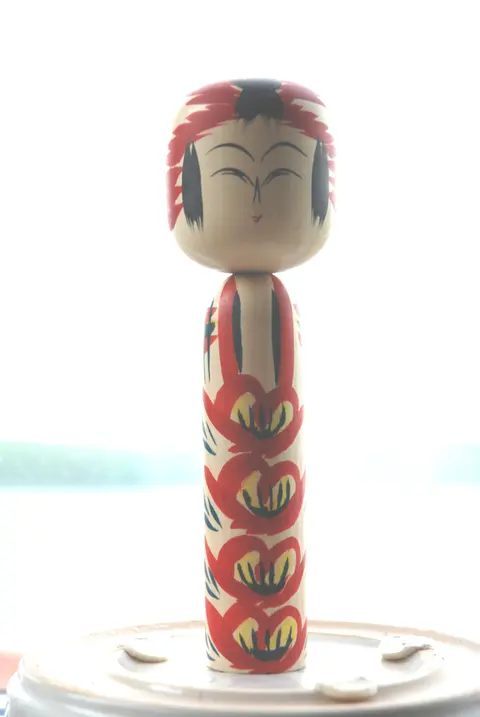
Kokeshi (Japan)

Northern woodturners shape a simple limbless figure on the lathe and paint regional floral patterns — each hot-spring district has its own recognisable style.

🇪🇺

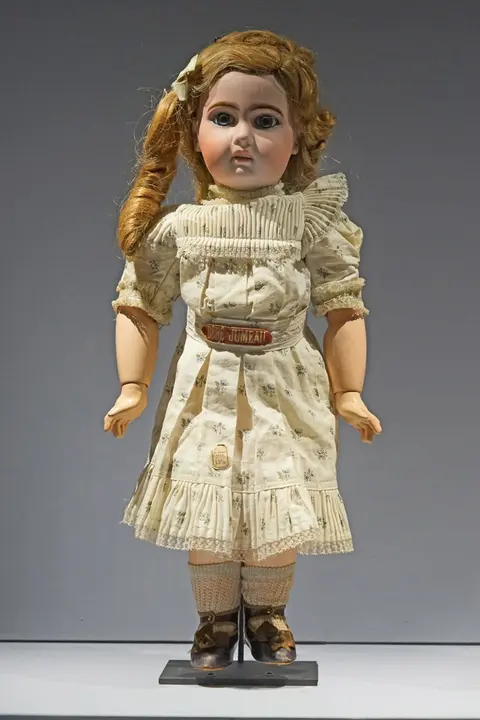
Bisque (France & Germany)

The 19th-century porcelain houses of Sonneberg, Waltershausen and Paris raised doll-making to an art, with pressed or poured heads, set glass eyes and couturier wardrobes.

🌍

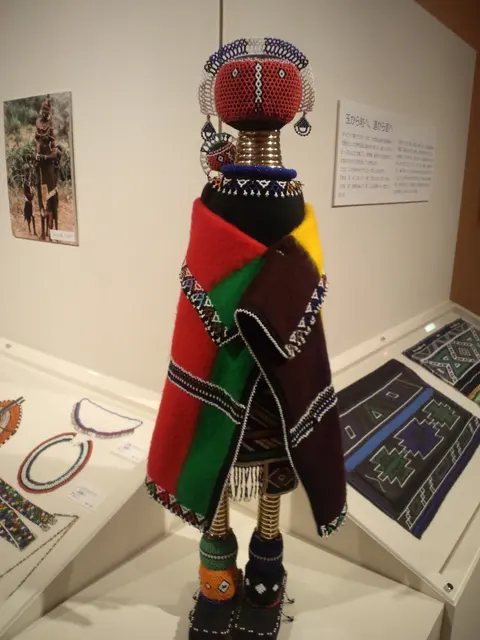
Ndebele beadwork (South Africa)

Dolls built on a cloth or clay core are covered in intricate glass beadwork whose colours and patterns carry social meaning.

Gofun & kimekomi: two Japanese secrets

Gofun is a brilliant white coating made from powdered oyster shell bound with animal glue, layered over a paulownia-wood base to give traditional Japanese dolls their luminous skin. Kimekomi is a way of “dressing” a doll without sewing: grooves are cut into the wooden body and the edges of patterned cloth are tucked into them, so the costume looks moulded to the figure.

Materials shape method, and method shapes the finished doll. To see how these techniques map onto the different kinds of doll, read Types & Varieties; to place them in their cultures, visit World Cultures.